Region guide
Samtskhe-Javakheti
- Best time
- Late May to October is best for Vardzia, hiking and the Javakheti lakes, though the plateau stays cool and windy even in summer. Late December to March is ski season in Bakuriani, and Borjomi is pleasant all year.
- How long
- 2-4 days
- Places
- 21 in our guide
- Tours
- 7 tours visit Samtskhe-Javakheti
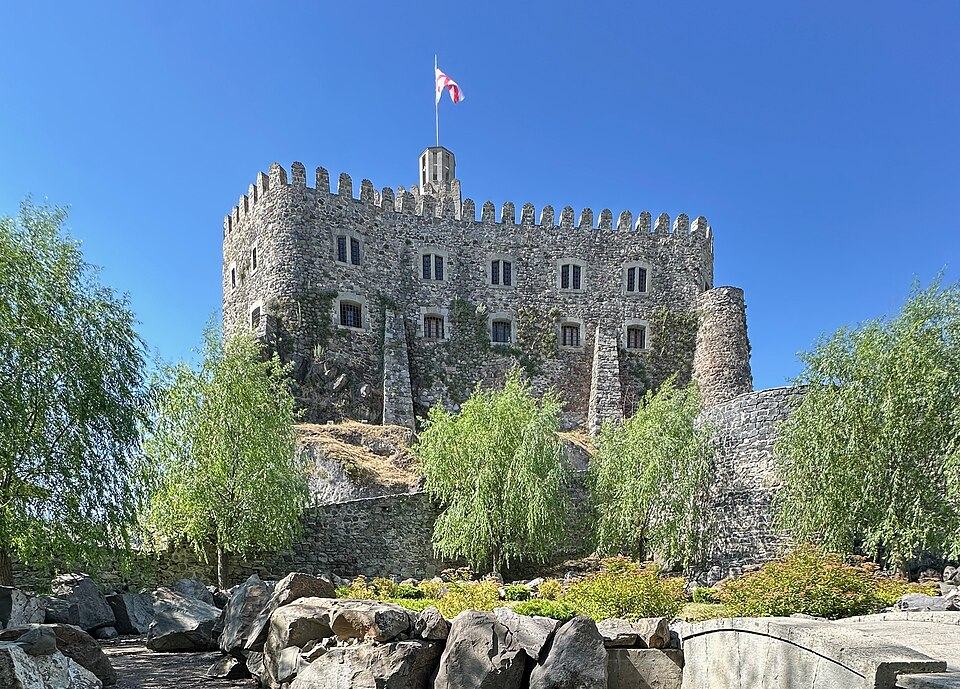
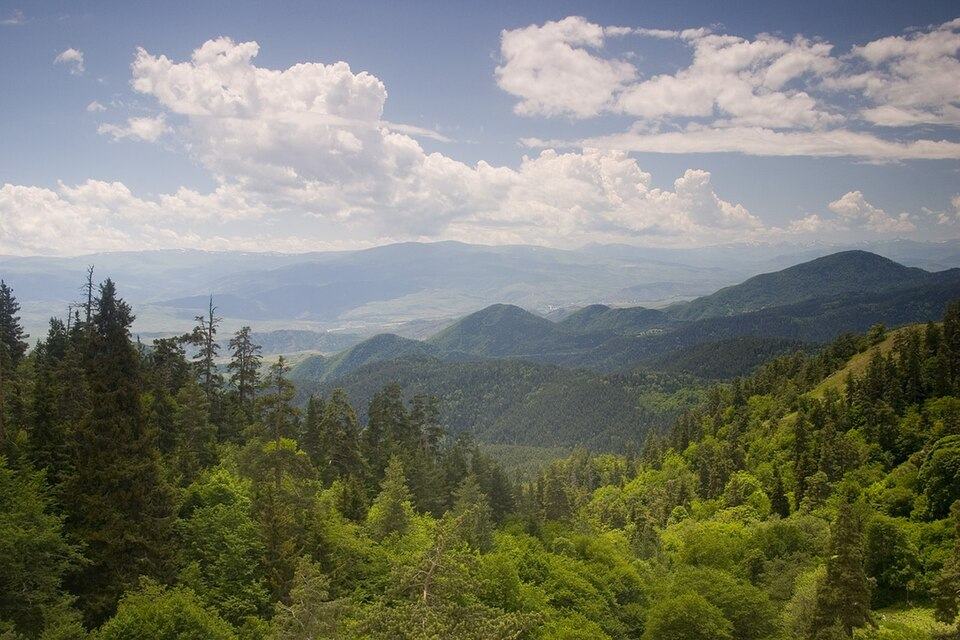
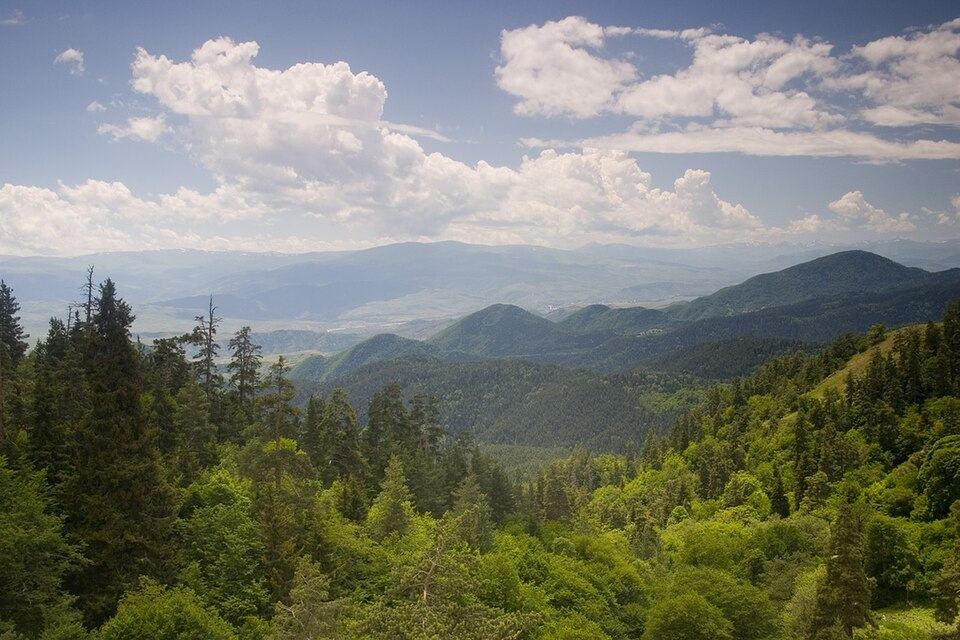
Samtskhe-Javakheti fills the south-west corner of Georgia, on the borders with Turkey and Armenia. Its western half, Samtskhe or Meskheti, is a land of forested gorges and medieval monasteries cut by the Mtkvari river. Borjomi, the spa town that gave its name to Georgia's best-known mineral water, sits at the northern end of the region, and the ski resort of Bakuriani lies 30 km above it. Further south the road follows the Mtkvari past Akhaltsikhe and its restored Rabati Castle to Khertvisi Fortress and Vardzia, the 12th-century cave monastery of King George III and Queen Tamar.
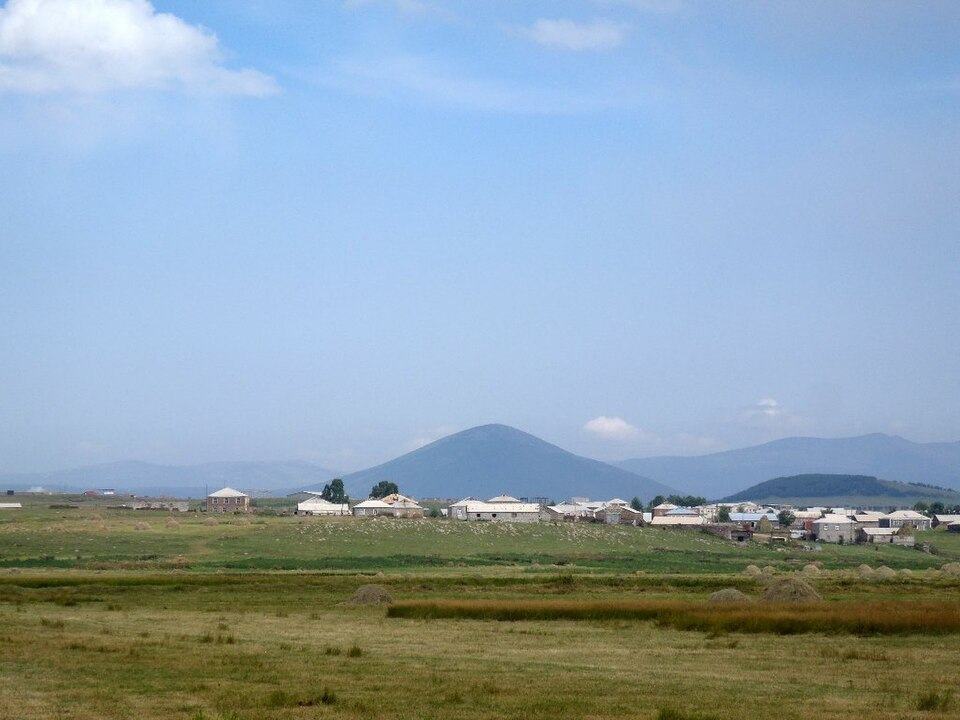
The eastern half, Javakheti, feels like a different country: a treeless volcanic plateau at around 2,000 m, with wide skies, long cold winters and big lakes such as Paravani and Tabatskuri. Most people in the Akhalkalaki and Ninotsminda districts are ethnic Armenians, and the villages look unlike anywhere else in Georgia. Many travellers see the region on a long day trip from Tbilisi to Borjomi or Vardzia, but it rewards a slower loop of three or four days, with nights in Borjomi and Akhaltsikhe and a drive home across the plateau.
Why visit Samtskhe-Javakheti
- Walk through Vardzia, a 12th-century cave monastery carved into a cliff above the Mtkvari
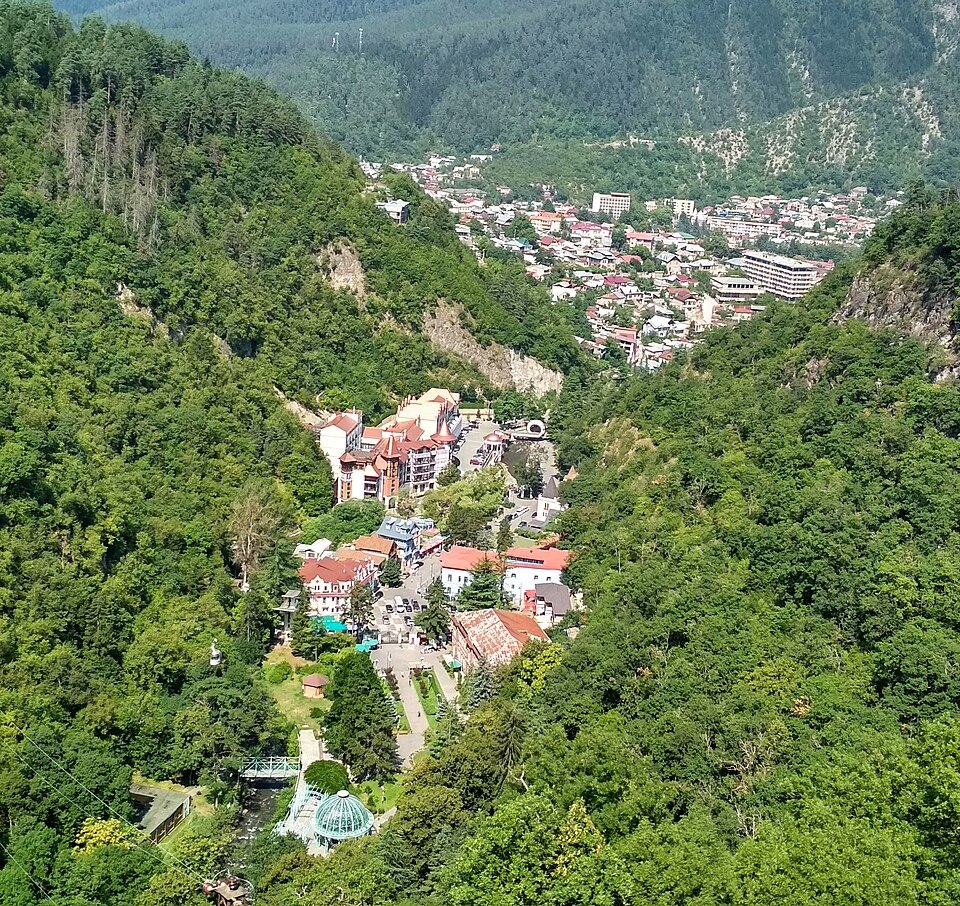
- Fill a bottle with warm Borjomi mineral water at the spring in Borjomi Central Park
- Ski at Bakuriani, the family resort that hosted the 2023 FIS Freestyle Ski and Snowboard World Championships
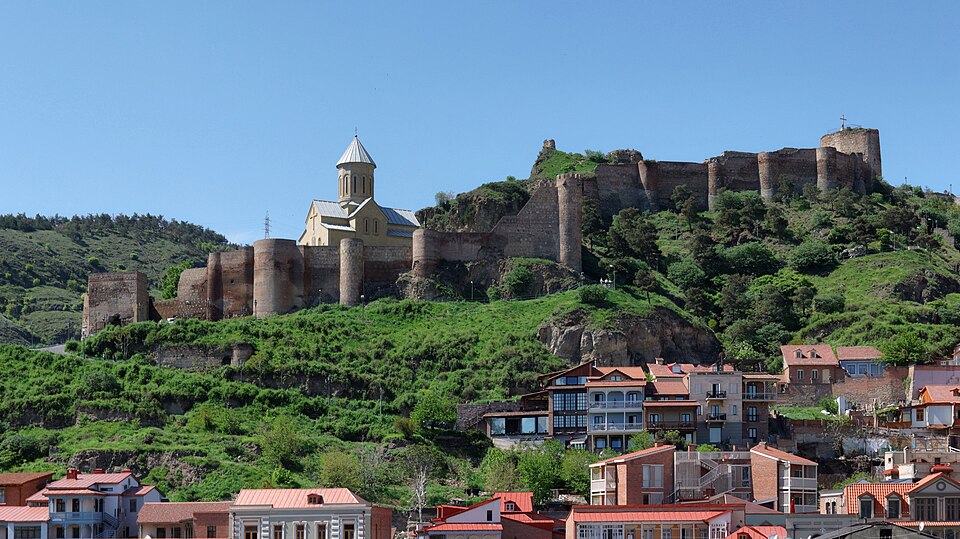
- Explore Rabati Castle in Akhaltsikhe, with a mosque, a church and a Jaqeli palace inside its walls
- Hike marked trails and sleep in mountain shelters in Borjomi-Kharagauli National Park
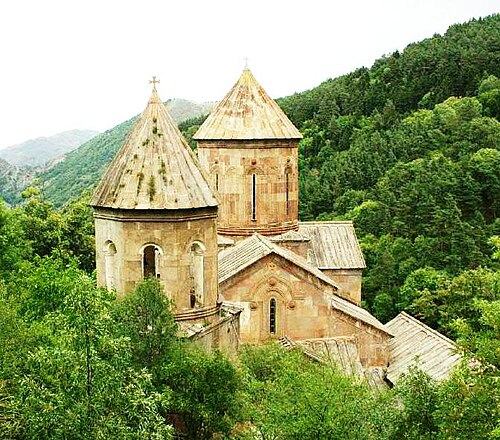
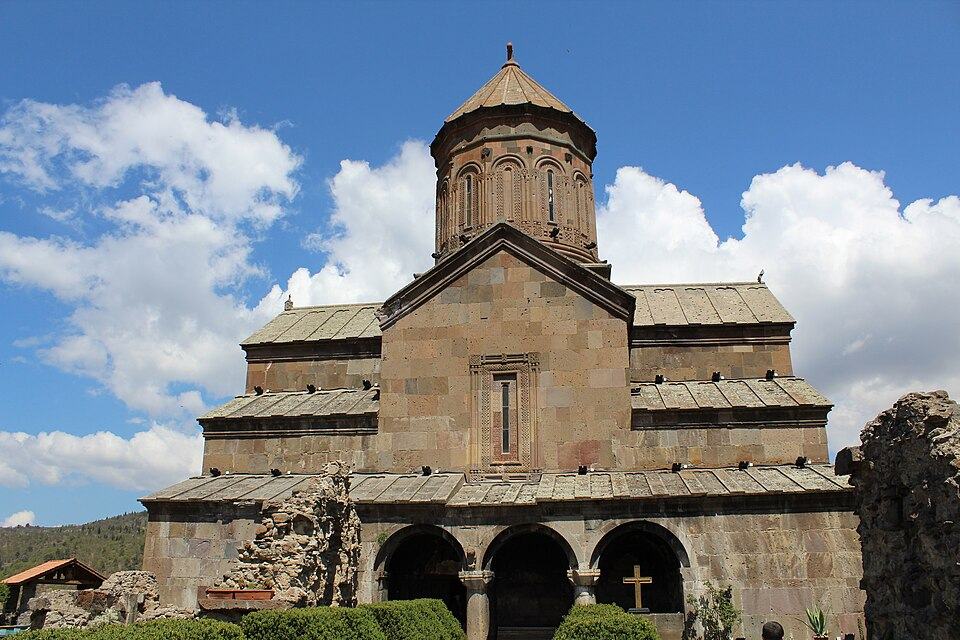
- See medieval frescoes at Timotesubani, Sapara and Zarzma monasteries
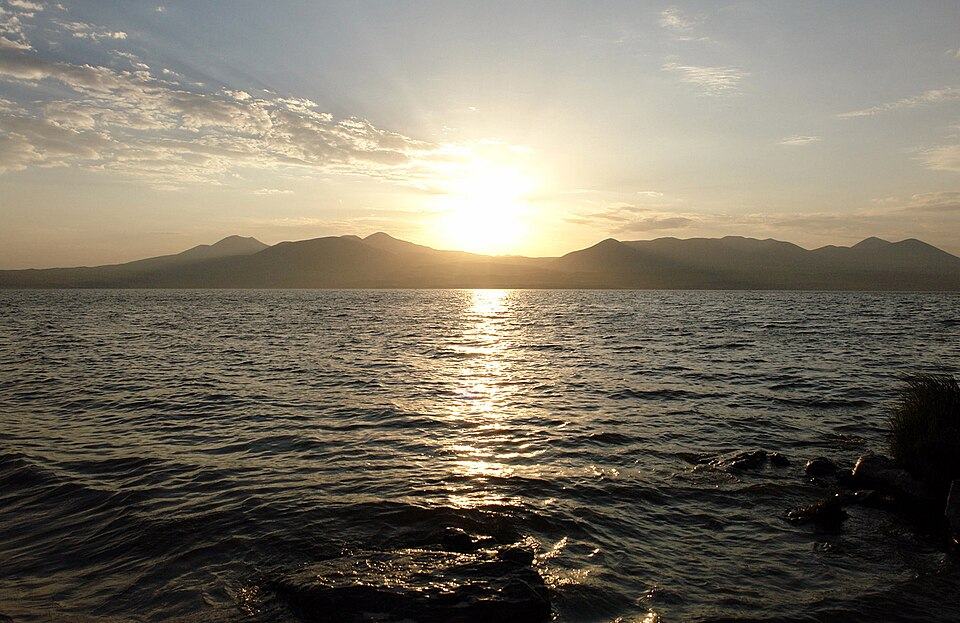
- Drive across the Javakheti plateau to Paravani, the largest lake in Georgia, at 2,073 m
- Buy cheese made by the nuns of the St Nino convent at Phoka
Top things to do in Samtskhe-Javakheti
Explore the cave city of Vardzia and its older neighbour
Walk the terraces, stairs and tunnels past hundreds of rock-cut rooms to the Dormition church, where Queen Tamar is painted beside her father. Then drive a few minutes down the valley to Vanis Kvabebi, a smaller 8th-century cave monastery with far fewer visitors.
Climb Rabati Castle and spend a night in Akhaltsikhe
Walk the restored walls for views over the town, look into the mosque, church and regional museum inside, and stay for sunset. Akhaltsikhe is the most convenient overnight stop for an early start at Vardzia.
Taste warm mineral water at Borjomi's spring
Fill a bottle at the pavilion in Borjomi Central Park, where the salty, fizzy water comes out of the ground warm, then ride the cable car up for a view over the gorge. Then follow the forest track for about 40 minutes to bathe in the warm sulphur pools where the park ends.
Hike between shelters in Borjomi-Kharagauli National Park
Choose a day loop near Likani or spend three days on the Romanov trail, sleeping in ranger-run shelters. The four-day St Andrew Trail begins in the village of Atskuri, below its ruined fortress.
Ski or sledge in Bakuriani
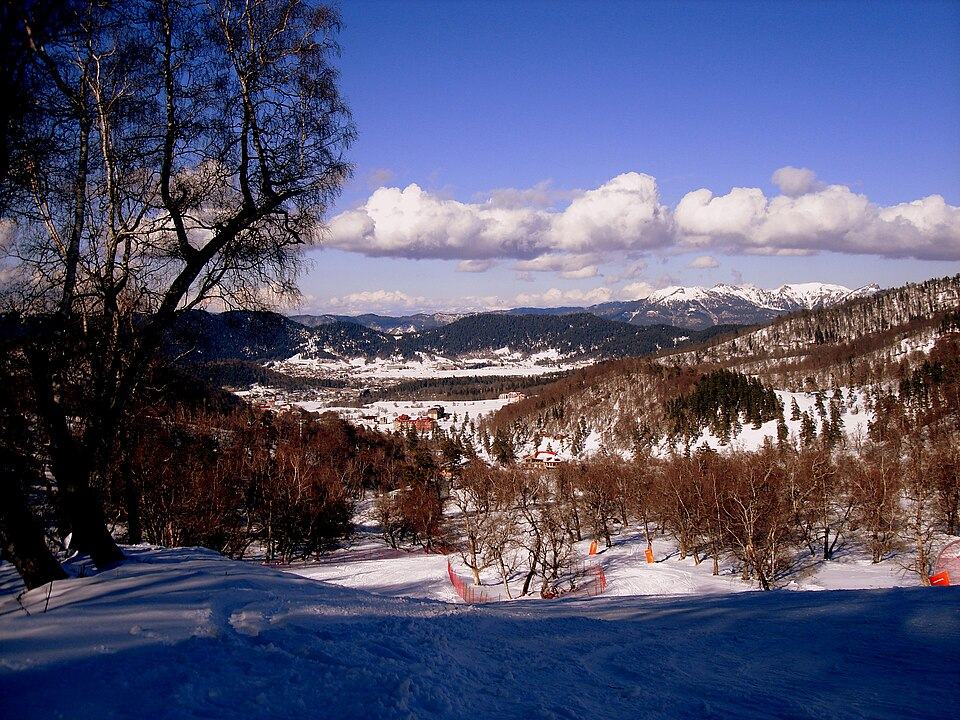
Beginners and families head for the gentle slopes of Kokhta, while stronger skiers ride the lifts at Didveli to about 2,700 m. Snow normally holds from the end of December into March; in summer, come for forest walks and the alpine botanical garden.
Hunt for Golden Age frescoes in Meskheti's monasteries
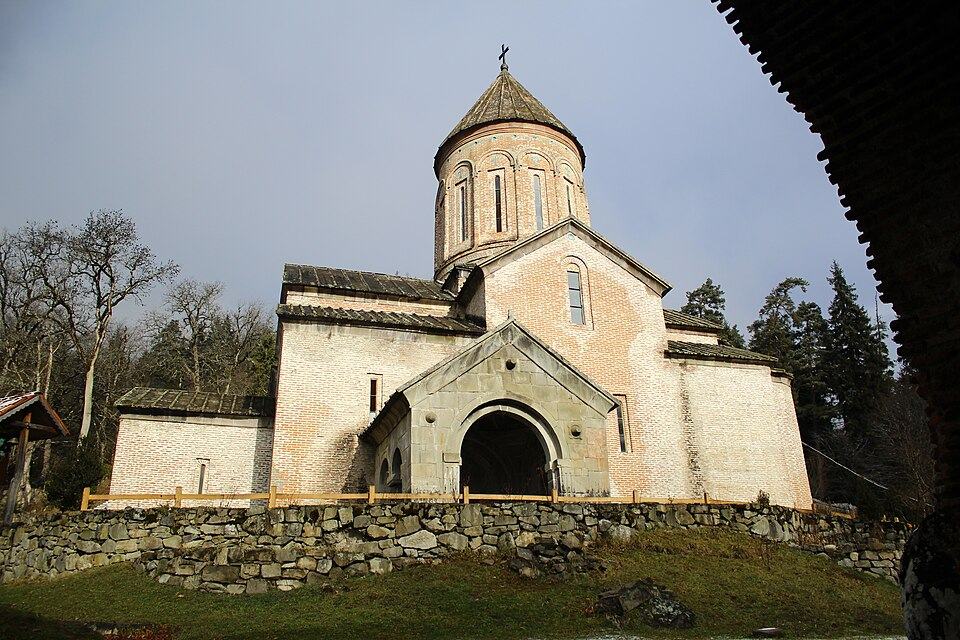
Timotesubani, east of Borjomi, keeps some of the finest early 13th-century paintings in Georgia. Sapara and Zarzma, on either side of Akhaltsikhe, show portraits of the Jaqeli princes who ruled Samtskhe.
Cross the Javakheti plateau and its lakes
Drive the high road between Akhalkalaki and Tsalka past Paravani, Georgia's largest lake, and stop at the Phoka convent to buy the nuns' cheese. Around Ninotsminda the smaller lakes draw cranes and other waterbirds on migration.
Visit the 10th-century cathedral at Kumurdo
Dated by its inscription to 964, Kumurdo is one of Javakheti's key early churches, standing in a quiet village about 15 minutes west of Akhalkalaki. It fits neatly into the drive from Vardzia back to Tbilisi.
Look at the night sky from Abastumani
Georgia's national observatory sits on a forested hill above this old Romanov health resort and offers evening sessions for visitors. Visit Zarzma Monastery on the way from Akhaltsikhe.
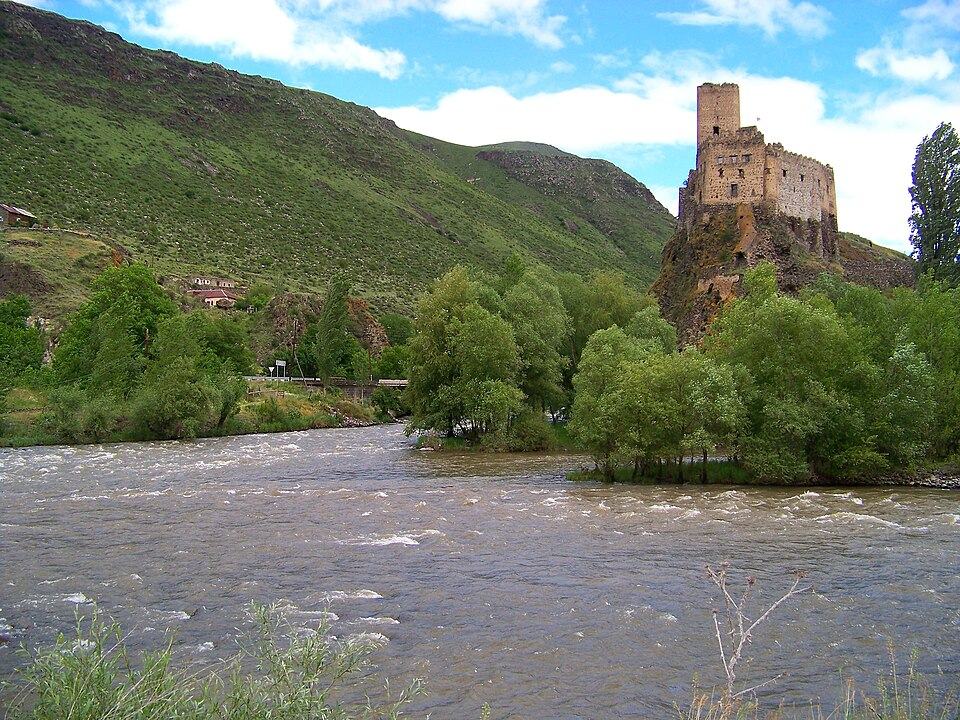
Photograph Khertvisi and hike up to Tmogvi
Khertvisi's walls along their rocky crest make an easy roadside stop on the way to Vardzia. Tmogvi's broken towers, high above the Mtkvari gorge, reward fit walkers who make the steep climb.
Cities, towns & villages
Places to see in Samtskhe-Javakheti
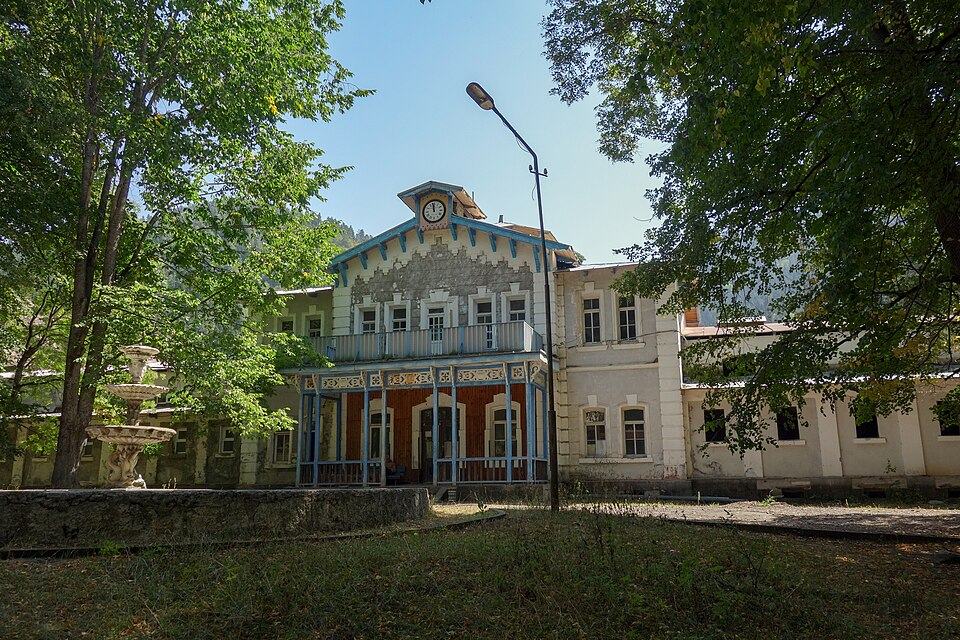
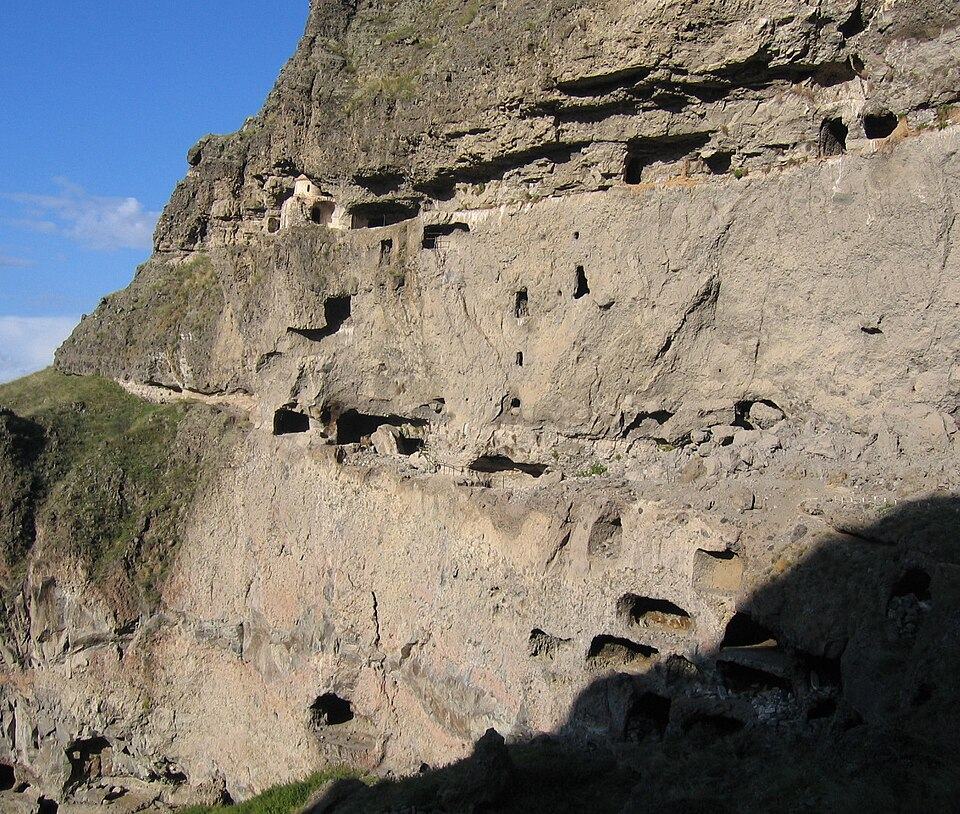
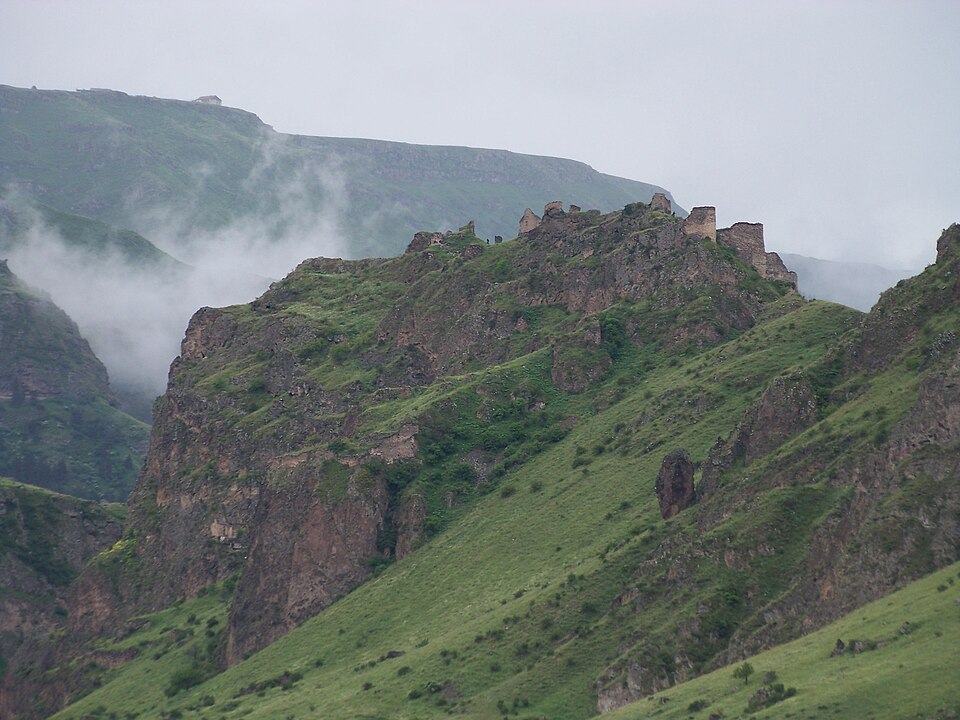
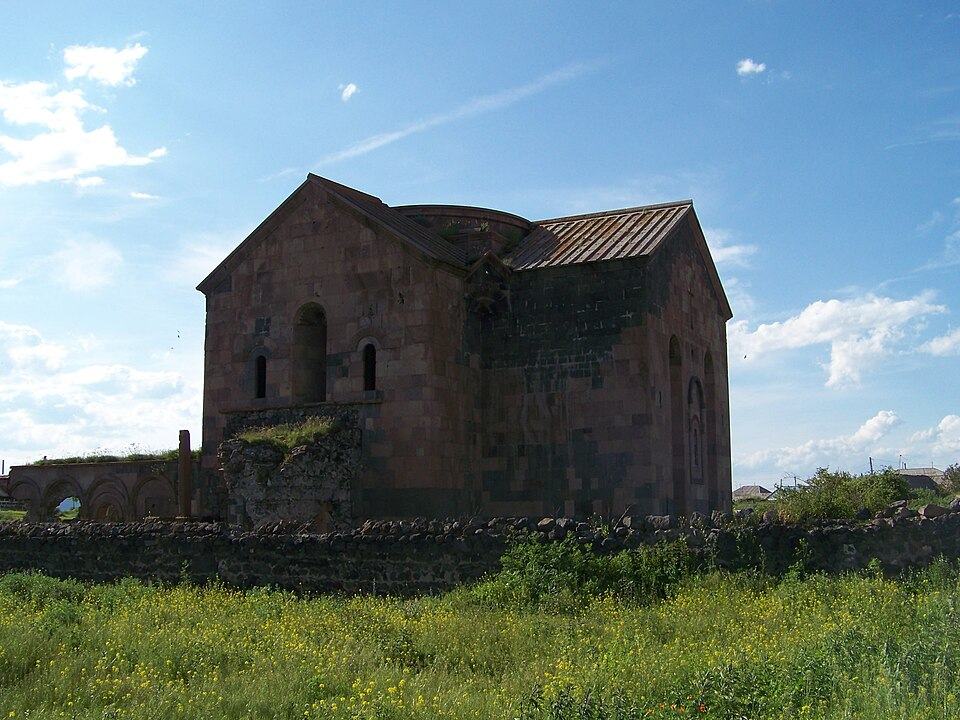
Suggested itineraries
Borjomi in one day from Tbilisi
- Morning: drive to Borjomi and its park
Leave Tbilisi early and drive 2.5 to 3 hours west on the E60 via Gori and Khashuri. Start at Borjomi Central Park: fill a bottle at the warm spring, then ride the cable car to the viewpoint above town.
- Afternoon: Green Monastery and Atskuri
Drive 10 to 15 minutes west to the Green Monastery in its wooded side gorge, then continue about 20 minutes along the Mtkvari to climb to Atskuri fortress for views over the river.
- Evening: back to Tbilisi
Return the same way, roughly 3 to 3.5 hours from Atskuri. If the day feels too rushed, stay overnight in Borjomi and drive back in the morning.
Three days from Borjomi to Javakheti
- Day 1: Borjomi and the national park
Drive from Tbilisi to Borjomi in 2.5 to 3 hours. Spend the afternoon in the Central Park and walk out to the sulphur pools, or do a short hike on the Likani trails of the national park. Sleep in Borjomi.
- Day 2: Atskuri, Rabati and Sapara
Stop at Atskuri on the 50 km drive to Akhaltsikhe. After lunch, explore Rabati Castle, then drive about 30 minutes up to Sapara Monastery for its frescoes. Spend the night in Akhaltsikhe.
- Day 3: Vardzia and the high plateau
Leave early for Khertvisi and Vardzia, 1 to 1.5 hours away, to arrive before the tour groups. Continue about an hour to Akhalkalaki and Kumurdo, then cross the plateau past Lake Paravani to Tbilisi, around 3.5 to 4 hours of driving from Kumurdo.
Samtskhe-Javakheti at a glance
Borjomi is 2.5 to 3 hours from Tbilisi by the E60 and the Khashuri turn-off, and Vardzia needs another 2 hours or so south through Akhaltsikhe.
Hiking in Samtskhe-Javakheti
Getting here: routes
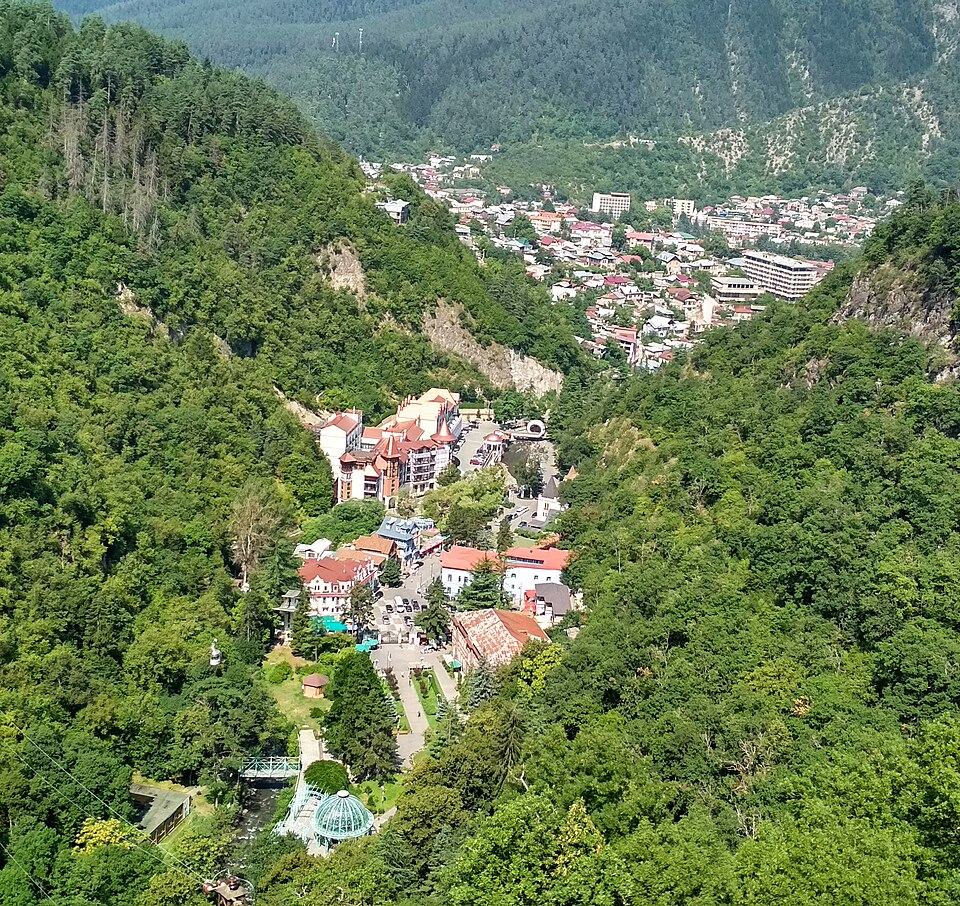 BorjomiPhoto: Sergey Sebelev, CC BY-SA 4.0
Tbilisi → Borjomi
About 160 km west on the motorway to Khashuri, then south into the wooded Mtkvari gorge. Two and a half to three hours by car, with Samtavisi, Uplistsikhe and Surami as natural breaks.
- CheapestMarshrutka · about $4.5
- FastestPrivate car · 2.5-3 h driving, 6 h with stops
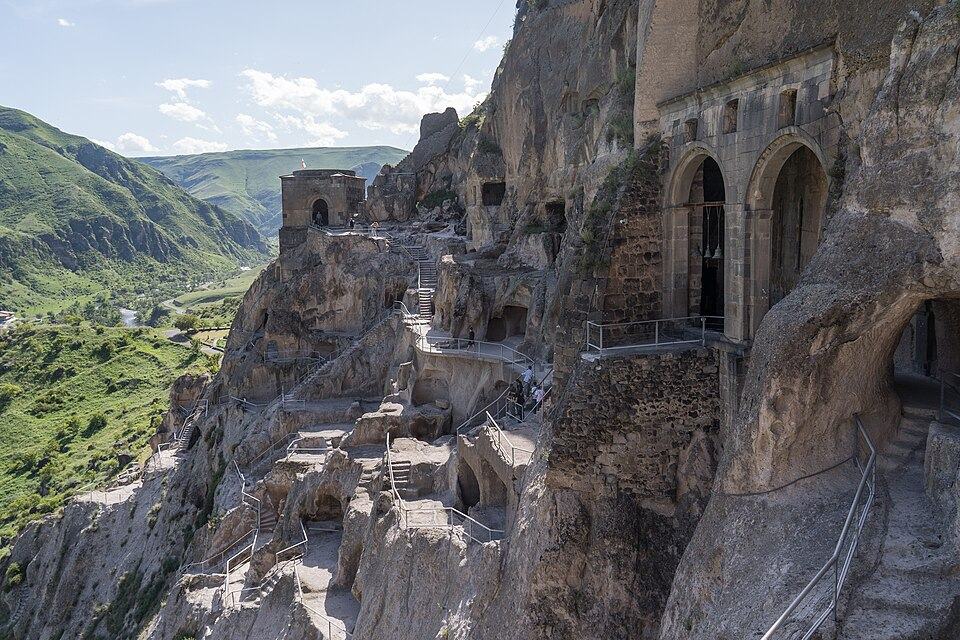 VardziaPhoto: Alexkom000, CC BY 4.0
Tbilisi → Vardzia
About 265 km via Borjomi and Akhaltsikhe, ending in the canyon of the upper Mtkvari below the 12th-century cave monastery. Around 4 to 4.5 hours of driving, best done with a night in Borjomi or Akhaltsikhe.
- CheapestMarshrutka · about $6
- FastestPrivate car · 4-4.5 h driving, best over 2 days
Plan your visit
Getting there
Borjomi is about 160 km west of Tbilisi, 2.5 to 3 hours by car via Gori and Khashuri on the E60 highway, and marshrutkas leave Tbilisi's Didube bus station through the day. Akhaltsikhe, the regional capital, is about 50 km beyond Borjomi, and Vardzia roughly 60 km south of Akhaltsikhe, so allow about 4 hours from Tbilisi to Vardzia. Javakheti and its lakes are reached more directly from Tbilisi via Tsalka. From Kutaisi, marshrutkas run to Akhaltsikhe via Khashuri, and a mountain road over the Goderdzi Pass links Adigeni, west of Akhaltsikhe, with Khulo and Batumi in Adjara; check conditions, as snow can close the pass.
Getting around
A car gives you the most freedom. The main roads between Borjomi, Akhaltsikhe, Vardzia and Akhalkalaki are paved, while the lanes to Sapara, Tabatskuri and some trailheads are narrow or rough. Marshrutkas link Borjomi, Bakuriani and Akhaltsikhe several times a day, and a few a day run from Akhaltsikhe to Vardzia, with the last return usually in mid-afternoon. Taxis in Borjomi and Akhaltsikhe will do half-day trips to nearby monasteries for a negotiated fare. The narrow-gauge Kukushka train from Borjomi to Bakuriani has not run since 2020 and is being rebuilt, with a restart planned for 2027.
Best time to visit
Late May to October is best for Vardzia, hiking and the Javakheti lakes, though the plateau stays cool and windy even in summer. Late December to March is ski season in Bakuriani, and Borjomi is pleasant all year.
Where to stay
Food & wine in Samtskhe-Javakheti
Medieval Meskheti was a wine-growing land, and old terraces survive on the slopes of the Mtkvari gorge around Vardzia. A few small growers are replanting local grapes, but this is not a wine-touring region like Kakheti.
Samtskhe-Javakheti: frequently asked questions
Can you visit Vardzia on a day trip from Tbilisi?
Yes, but it is a long day: allow about 4 hours each way by car, plus 2 to 3 hours at the site. Most day tours add Rabati Castle in Akhaltsikhe and a photo stop at Khertvisi Fortress. If you can, spend a night in Akhaltsikhe or near Vardzia and split the drive.
How far is Borjomi from Tbilisi?
The drive is about 160 km and takes 2.5 to 3 hours, following the E60 through Gori and Khashuri. Marshrutkas run from Didube bus station throughout the day and take a little longer. Borjomi works as a day trip, but one night lets you see the park and the Green Monastery without rushing.
Is Bakuriani good for beginners?
Yes. Bakuriani is popular with families and first-timers, with ski schools and rental shops in the village. More confident skiers head to Didveli, where lifts reach about 2,700 m and snowmaking covers the runs. The season usually runs from late December to March.
Can you drink Borjomi water straight from the spring?
Yes. At the spring pavilion in Borjomi Central Park the water comes out warm, salty and naturally carbonated, and filling a bottle is free, although the park has a small entrance fee. The water is strongly mineralised, so drink it in moderation.
When is the best time to visit the Javakheti lakes?
June to September. The plateau sits at around 2,000 m and stays cool even in summer, and lakes such as Paravani and Tabatskuri freeze in winter. Bring warm, windproof layers whenever you go.
Tours that visit Samtskhe-Javakheti
Visit Samtskhe-Javakheti with a local host
Tell us your dates and we'll plan the route, driver, guide and hotels.
WhatsApp +995 598 74 74 54