- Kakheti, Georgia's largest region and its main wine country, begins roughly an hour's drive east of the capital; Telavi is roughly 96 km away over the Gombori Pass and Sighnaghi about 113 km on the main highway, each about 2 hours by car.
- The Alazani Valley has three natural bases: Sighnaghi for views, Bodbe and the southern wine villages; Telavi for Alaverdi, Ikalto, Shuamta and Tsinandali; and Kvareli for Gremi, Nekresi and the wine tunnel.
- One day from Tbilisi covers Sighnaghi, Bodbe and a family cellar, but two or three nights let you taste without rushing and add Telavi's monasteries and the north bank.
- Beyond the vineyards, Kakheti holds the David Gareja cave monasteries, the badlands of Vashlovani, the forest trails of Lagodekhi and, in summer, the 4x4 road to Tusheti.
- The best months are May to June and September to October; the 2026 harvest in Kakheti began around 10 September and runs into October.
Kakheti is the far eastern region of Georgia and the place most visitors mean when they talk about Georgian wine. A broad valley of vineyards, the Alazani, runs below the snowy wall of the Greater Caucasus, and the towns of Sighnaghi, Telavi and Kvareli sit around it within two to two and a half hours of Tbilisi. You can see the highlights in a long day, but the region is at its best over two to four nights, with time for a family cellar, a monastery at dawn and a slow supra in the evening.
This pillar guide goes deeper than our Kakheti region page. It compares the two roads from Tbilisi, takes each base town in turn with the sights around it, explains how wine visits actually work, and covers the parts of Kakheti that tours often skip: the semi-desert south, the beech forests of Lagodekhi and the summer road to Tusheti. It ends with plans for one to four days and answers to the questions travellers ask most. For grapes, qvevri and wine styles, read it alongside our Georgian wine guide.
Where is Kakheti, and is it worth visiting?
Kakheti fills the eastern end of Georgia, bordered by the Greater Caucasus and Russia's Dagestan to the north and Azerbaijan to the east and south. With about 11,300 km² it is the largest of the country's regions, and about 310,000 people live there. Two long valleys shape it. The Alazani, on the north side of the low Tsiv-Gombori range, is the wine heartland, with a chain of villages where nearly every house has a cellar. The Iori, to the south, is drier and emptier, and gives way to semi-desert along the Azerbaijani border.
It is worth the trip for more than wine. Kakheti holds some of the oldest Christian sites in Georgia, founded by the Assyrian monks who arrived in the 6th century: Alaverdi, Ikalto, Nekresi, Shuamta and the rock-cut monastery of David Gareja. It has two royal capitals, Gremi and Telavi, and Sighnaghi, a hill town ringed by an 18th-century wall. Add Lagodekhi, the oldest nature reserve in the Caucasus, and the summer road over the Abano Pass to Tusheti, and you have enough for a week without repeating yourself.
| Kakheti at a glance | Detail |
|---|---|
| Main town | Telavi, at about 500 m |
| Area and population | About 11,300 km², about 310,000 people |
| Distance from Tbilisi | About 96 km to Telavi, 113 km to Sighnaghi |
| Altitude range | From under 200 m on the Alazani floodplain up to Tebulosmta (4,493 m), Tusheti's highest summit |
| Best months | May to June, September to October; July to August for Tusheti |
| Time needed | 1 day minimum, 3 to 4 days for the valley, 3 to 4 more for Tusheti |
| Signature grapes | Saperavi (red), Rkatsiteli, Kakhetian Mtsvane and Kisi (white and amber) |
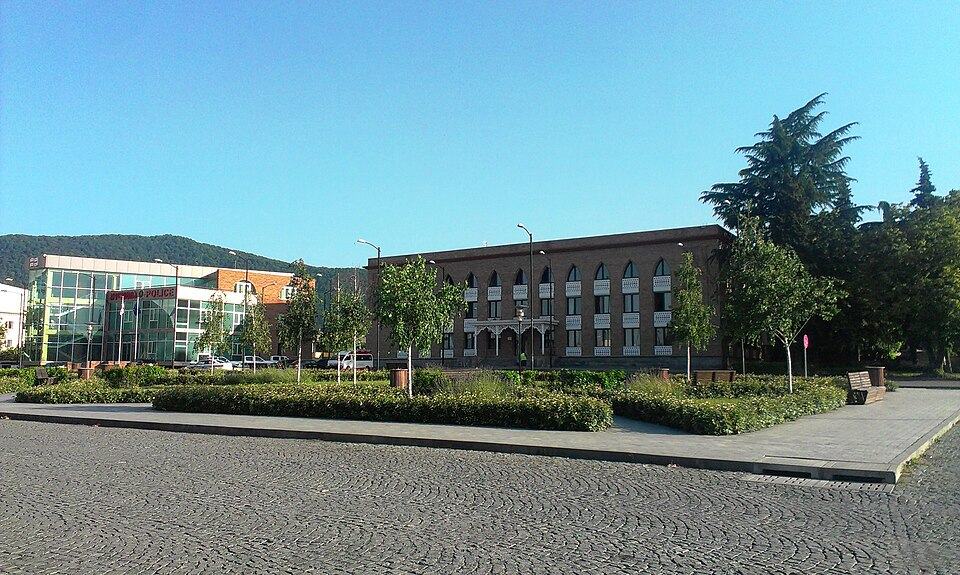
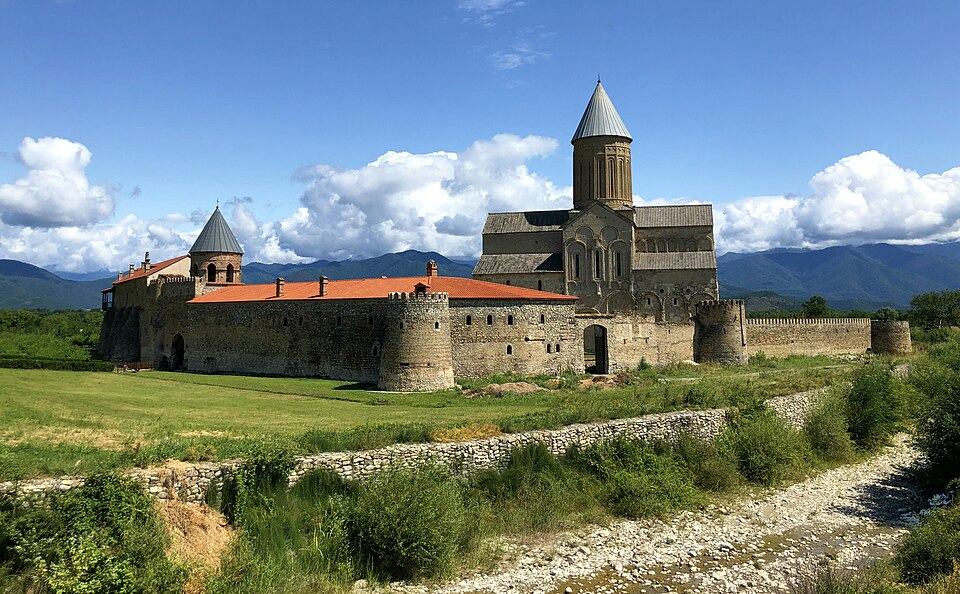
Best time to visit Kakheti
The valley floor is low and warm, so the seasons here feel different from the mountains. Spring arrives early: by late April the vines are leafing and the hills around David Gareja turn briefly green. Summer is hot, often above 30°C in July and August, which is pleasant in a cool cellar and hard work on a monastery hill at noon. Autumn is the reason most wine lovers come, and winter is quiet, cheap and perfectly good for tastings, though the Caucasus views come and go with the cloud.
| Months | What it is like | Best for |
|---|---|---|
| March to April | Mild, green, sometimes wet | David Gareja and Vashlovani before the heat, quiet towns |
| May to June | Warm, long days, wildflowers | Sighnaghi walks, monasteries, Lagodekhi waterfalls |
| July to August | Hot in the valley | Tusheti, Black Rock Lake, cellar visits in the cool |
| September to October | Warm days, harvest work in every village | Rtveli, festivals, new wine, autumn colour |
| November to February | Cold and often grey, little snow in the valley | Low prices, quiet cellars, Erekleoba in Telavi on 7 November |
Rtveli, the grape harvest, does not start on a fixed date: families pick when the sugar is right. In 2026 the Kakheti harvest got going around 10 September, after much earlier starts in the two previous years, and the Saperavi picking ran well into October. Weekends in this window are the busiest of the year in Sighnaghi and Telavi, so book rooms early. Several festivals fall in autumn too: Alaverdoba at Alaverdi in late September, TelaVino in the courtyard of Telavi's royal palace, and the Gurjaani Wine Festival, which in 2026 was held on 10 October with more than a hundred producers.
How to get from Tbilisi to Kakheti
There are two ways into the Alazani Valley. The short road runs north-east from Tbilisi past the Ujarma fortress and climbs through beech forest over the Gombori Pass at about 1,600 m, then drops straight to Shuamta and Telavi. The long road follows the main Kakheti highway east past the airport and Sagarejo, then either climbs to Sighnaghi or turns north up the valley through Gurjaani's wine villages to Telavi. Most travellers go out one way and come back the other, which turns the drive into a loop.
| From Tbilisi to | Distance | Driving time | Notes |
|---|---|---|---|
| Telavi via the Gombori Pass | about 96 km | about 2 h | Forest mountain road; check status first |
| Telavi via Sagarejo and Gurjaani | about 156 km | about 2.5 h | Flat, dependable, many wineries |
| Sighnaghi | about 113 km | about 2 h | Via Sagarejo; Bodbe is 2 km before town |
| Kvareli | about 150 km | about 2.5 h | North side of the valley, via Telavi or Gurjaani |
| Lagodekhi | about 160 km | 2.5 to 3 h | Far east, near the Azerbaijani border |
| David Gareja | about 70 km | about 2 h | Last stretch is a slower road through Udabno |
| Dedoplistskaro (Vashlovani) | about 130 km | about 2 h | Gateway town for the national park |
By minibus
Marshrutkas to Sighnaghi, Telavi, Kvareli and Lagodekhi leave Tbilisi several times a day. In 2026 most go from the Navtlughi stop beside Samgori metro, with some Telavi departures still from Ortachala, so ask your hotel the evening before. Expect to pay roughly 15 GEL (around $6) to Sighnaghi and up to 20 GEL to Telavi in 2026, in cash. Minibuses only link the towns, so once you arrive you still need a taxi or driver for the monasteries and wineries.
By private driver or tour
Kakheti is the one region where we would almost always suggest a driver. The sights are scattered across 60 km of valley, hosts pour generously, and nobody should get behind the wheel after a tasting. A private day from Tbilisi lets you choose the cellars and leave when you like; our Kakheti wine day trip runs any date for any group size, with a guide in your language.
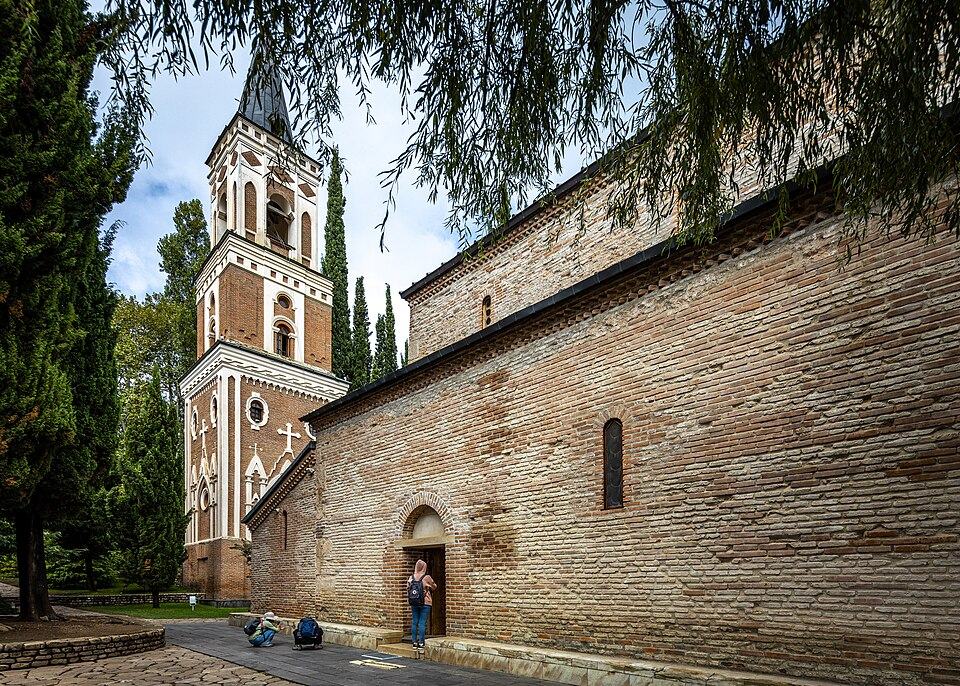
Sighnaghi and Bodbe: the walled town above the valley
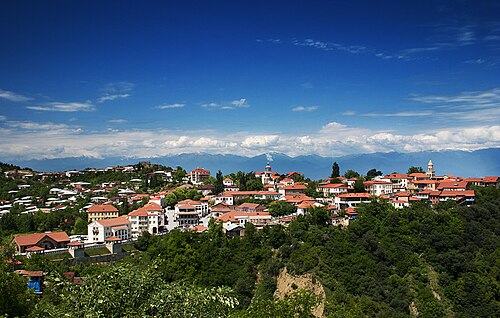
Sighnaghi stands on a ridge at about 790 m, and its whole appeal is the position: tiled roofs and wooden balconies stepping down a hill, with the vineyard floor of the Alazani laid out below and the Caucasus behind. King Erekle II walled the hill in 1762 as a refuge from mountain raiders, and about 4 km of that wall survives with 23 towers and 6 gates. Only around 4,000 people live in the town, but it has more guesthouses, wine bars and restaurants than anywhere else in Kakheti.
Give yourself half a day. Climb one of the restored tower sections of the wall for the view, then visit the Sighnaghi Museum, whose rooms of paintings by Niko Pirosmani, born in nearby Mirzaani, are the best reason to step indoors; the ticket was about 5 GEL (about $2) at our last check, with foreigners possibly charged more in 2026, and it is normally closed on Mondays. In the evening, after the coaches leave, the lanes empty and the sunset over the valley is the best show in town. Sighnaghi calls itself the city of love because its wedding registry office works around the clock, and you will often see couples marrying on a whim.
Bodbe Monastery lies 2 km below the town, a short drive or a half-hour walk. St Nino, who converted the Georgian royal court in the 4th century, is buried in its small basilica, and the convent gardens of cypress and roses look out over the valley. A long stairway descends to her spring, where pilgrims bathe in a small chapel; the climb back is steep, so leave time. Entry is free and the grounds usually open from about 08:00 to 20:00. Dress modestly: covered shoulders and knees, and a headscarf and skirt for women, which are lent at the gate.
Coming from Tbilisi on the highway, stop at the edge of Sagarejo for Ninotsminda, a fortified church begun around 575 whose ruined cathedral was one of the first domed churches in Georgia, and buy shoti bread hot from a roadside oven a little further on.
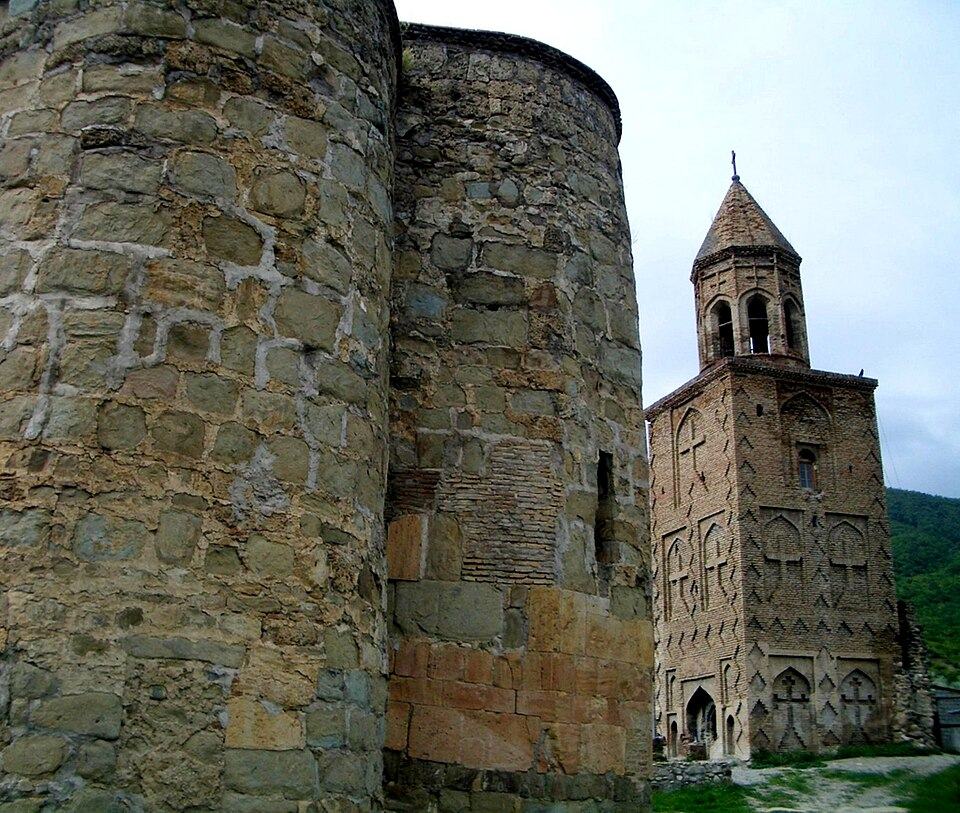
Telavi and the monasteries around it
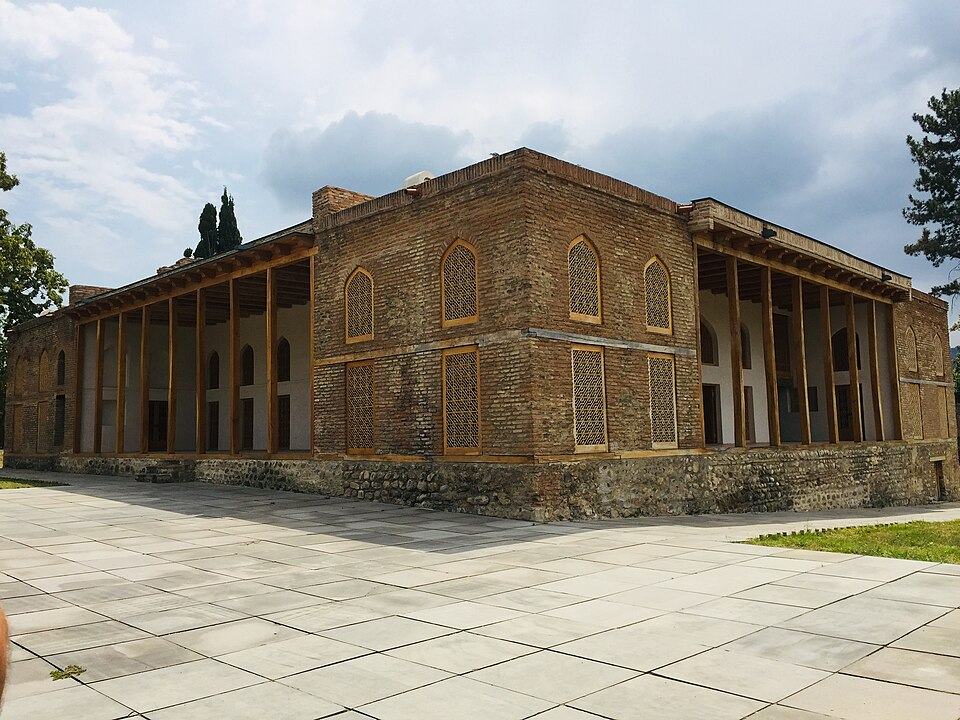
Telavi is the working capital of Kakheti and the most practical base in the valley. It lies at about 500 m on the lower slopes of the Gombori range, and almost every classic sight on the south bank of the Alazani is within 30 minutes. The town itself needs a few hours: Batonis Tsikhe, the fortified palace precinct where King Erekle II was born and died, the busy bazaar for spices, cheese and churchkhela, and a huge plane tree said to be about 900 years old. The palace museum inside charges a small fee, reported at about 7 GEL (about $2.50) in 2026; expect it to be shut on Mondays and open from mid-morning to early evening on other days.
Alaverdi
About 20 km north of Telavi, the Cathedral of St George at Alaverdi rises alone out of the vineyards. Built in the early 11th century, it stands about 55 m high and was the tallest church in Georgia for almost a thousand years. The monks make wine in a cellar dated to between the 10th and 12th centuries; tastings there are paid and by arrangement only, so ask ahead. Entry to the monastery is free.
Ikalto and Shuamta
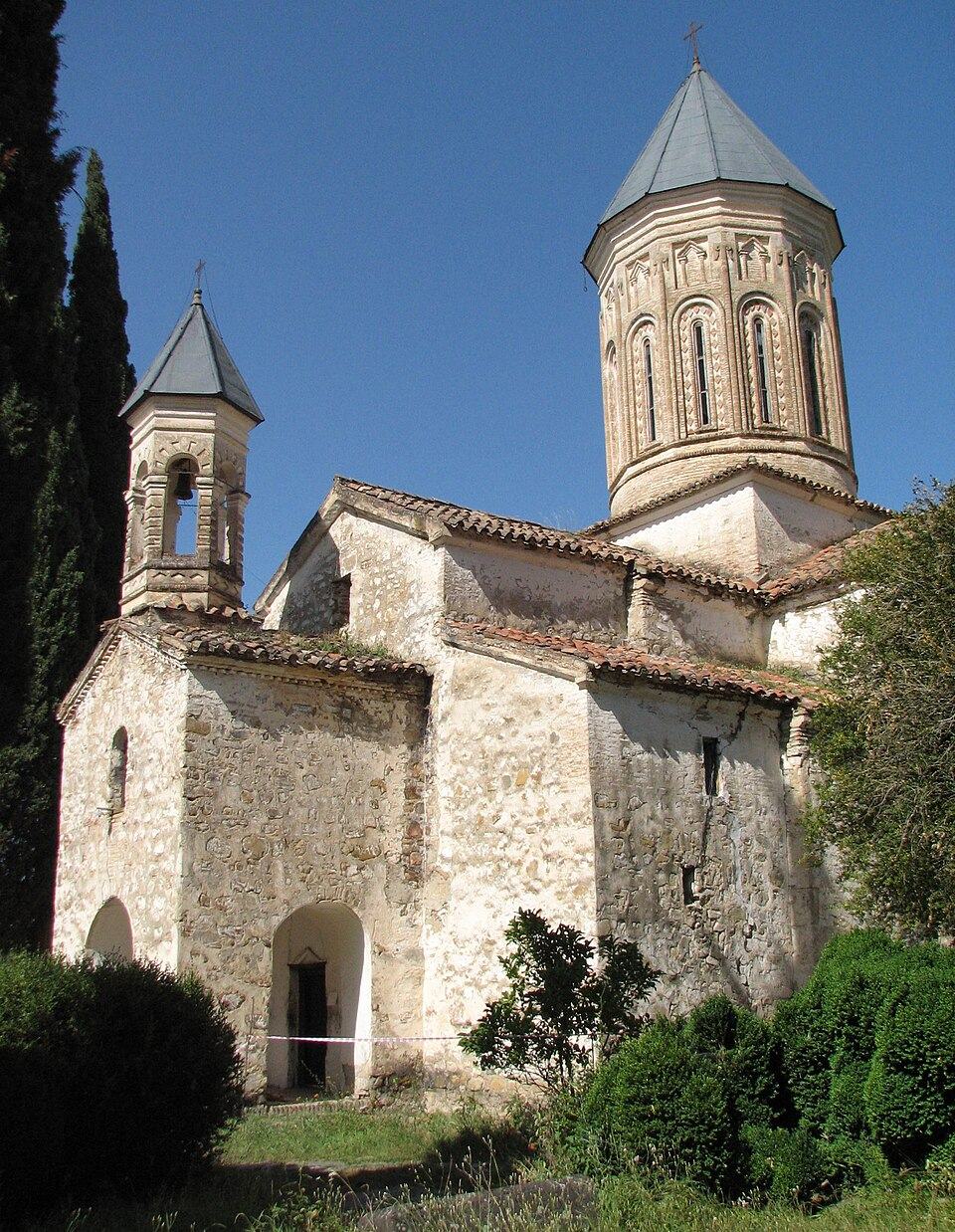
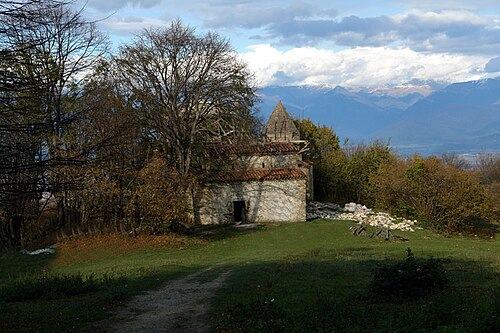
Ikalto, about 10 km west of Telavi, was one of medieval Georgia's great schools. The academy founded there in 1106 taught everything from philosophy to winemaking, and the ruins of its winepress building still stand beside the church. Shuamta is two monasteries in the forest on the Gombori road about 7 km above town: Old Shuamta, a clearing of three churches from the 5th to 7th centuries with no monks and a lovely stillness, and New Shuamta, a 16th-century royal convent a short walk away.
Tsinandali
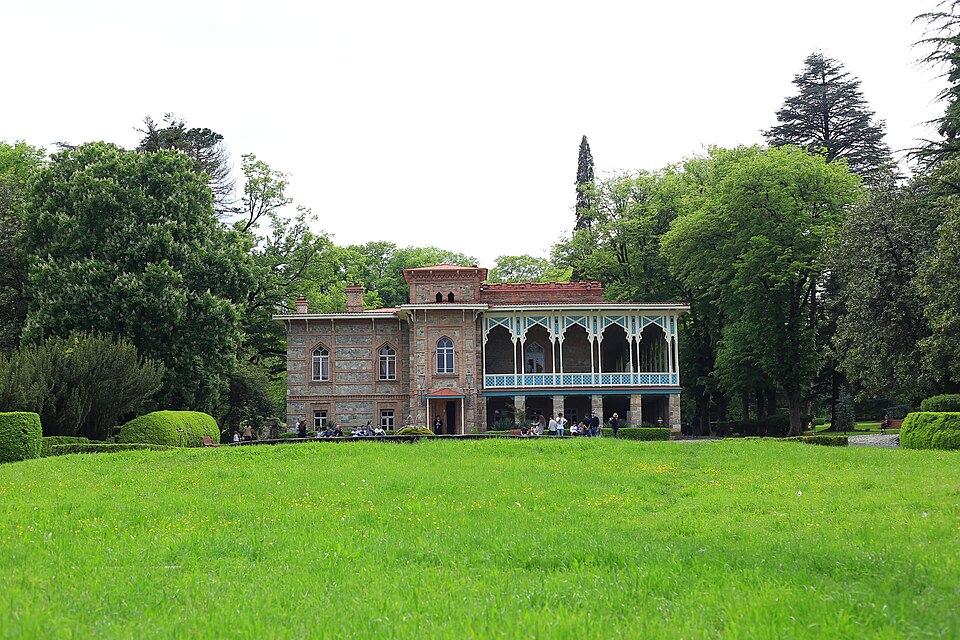
Ten kilometres south-east of Telavi, Tsinandali was the country estate of Prince Alexander Chavchavadze, poet, general and host to many visiting Russian writers. His palace is now a house museum set in about 5 hectares of English-style gardens, and his cellar, founded in the 1830s, still holds bottles from as early as 1814. Ticket options cover the garden, the museum and tastings separately, so check what is included at the gate. The estate gave its name to Tsinandali, the dry white blend of Rkatsiteli and Mtsvane, and hosts a classical music festival in late summer.
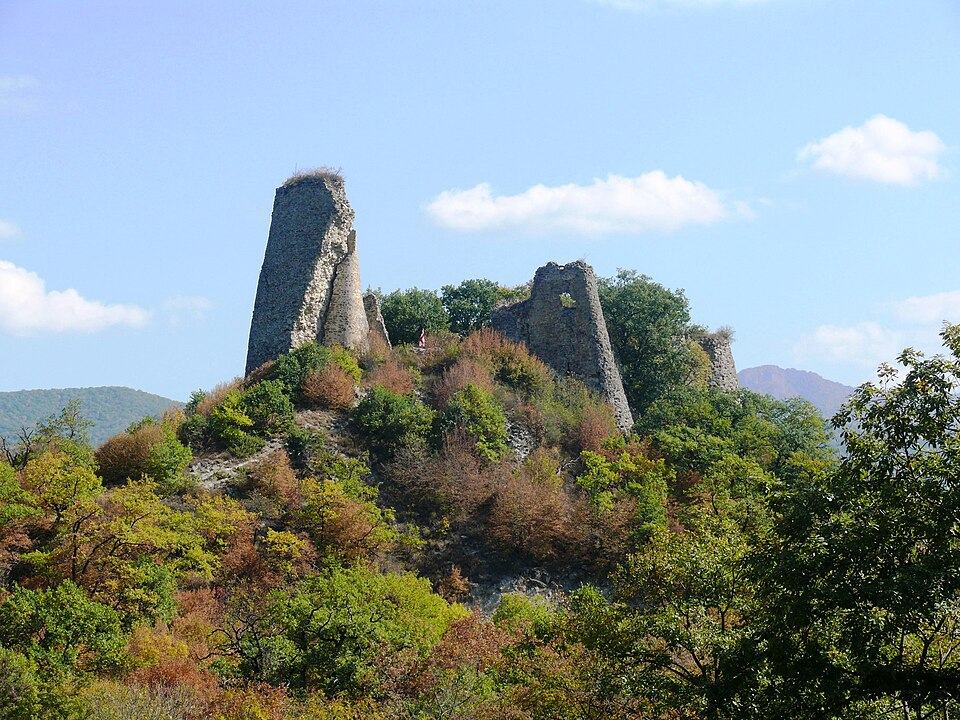
Kvareli, Gremi and Nekresi: the north bank of the Alazani
Cross the Alazani from Telavi and the road runs along the foot of the Caucasus itself, with forest rising almost straight from the vines. This is the quieter half of the valley, centred on Kvareli, a spread-out green town at about 450 m that is famous for Kindzmarauli, a naturally semi-sweet red made from Saperavi. Kvareli is also where Ilia Chavchavadze, the 19th-century writer who led the Georgian national revival, was born in 1837; his family house is now a museum.
Just outside town, the Khareba winery runs a wine tunnel of about 8 km, dug into the hillside in the Soviet period and now used to store and age wine at a steady temperature of roughly 12 to 14°C. A tour of the galleries with a tasting cost about 35 GEL (about $13) in 2026, and the courtyard above has a marani, a bread oven and churchkhela workshops. It is busy with groups but works well in midsummer heat or rain. Kvareli Lake, an artificial reservoir on the western edge of town, is a pleasant place for an evening walk.
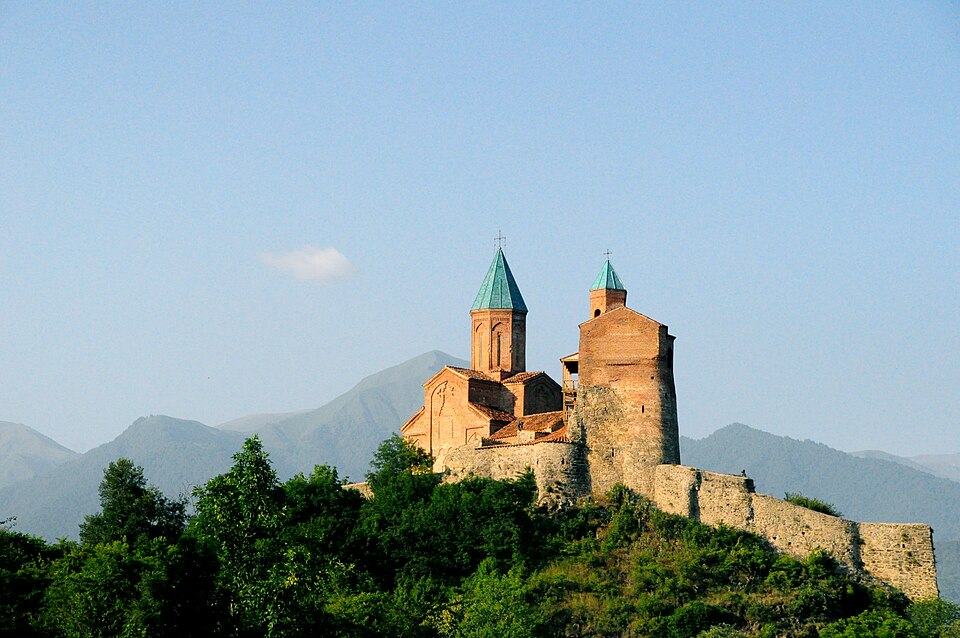
Gremi, between Telavi and Kvareli, is the brick citadel of a royal town that was Kakheti's capital until Persian armies sacked it in 1615. The Church of the Archangels at the top dates from 1565, and the small museum in its tower charges a few lari, about 3 to 5 GEL (about $1 to $2) in 2026. A few kilometres west of Kvareli, Nekresi Monastery sits on a forested hill with perhaps the widest view in the valley. Private cars are usually stopped at the bottom; walk the steep road up or take the shuttle minibus when it runs. Near the monastery are the excavated foundations of a Zoroastrian fire temple from the 2nd to 4th centuries.
Wine in Kakheti: cellars, villages and how to book
Kakheti grows most of Georgia's grapes, and more than half of the country's 29 protected wine appellations lie here, nine of them in Gurjaani's district alone. Our Georgian wine guide explains qvevri, amber wine and the grape varieties in detail. Here we focus on the practical side: where the wine comes from, what kinds of visit exist, and how to plan a tasting day that you will remember the next morning.
| Appellation or area | Where | What you will be poured |
|---|---|---|
| Tsinandali | South-east of Telavi | Dry white blend of Rkatsiteli and Mtsvane |
| Mukuzani | Gurjaani district | Dry, structured Saperavi |
| Napareuli | North bank, near Telavi | Dry Saperavi and Rkatsiteli |
| Kindzmarauli | Kvareli | Naturally semi-sweet Saperavi |
| Gurjaani villages | Middle of the valley | Many small wineries, Rkatsiteli and Saperavi |
| Sighnaghi area | South-east of the valley | Family qvevri cellars, amber Rkatsiteli and Kisi |
Three kinds of visit
- Family marani: a home cellar with qvevri buried in the floor. The host opens a jar, ladles out the wine and usually feeds you. The most personal visit, and the one people talk about afterwards.
- Estate winery: a bigger producer such as the Tsinandali cellar or the Khareba tunnel, with set tours, a tasting room and a shop. Easy to fit around other sights.
- Monastery cellar: Alaverdi and a few other monasteries make wine; access is limited and by arrangement.
Family cellars are homes, not shops, so they need notice: a day ahead at least, more for a full meal. Your guesthouse or guide can call for you. Pair a cellar visit with lunch, plan no more than two or three tastings a day, and keep water on the table. Bring cash for bottles and chacha, because village hosts rarely take cards. A supra, the full Georgian feast led by a tamada or toastmaster, is the high point of a wine trip; our seven-day Wine and Supra tour builds three nights in Kakheti around cellars and a proper feast.
David Gareja and Vashlovani: Kakheti's semi-desert south
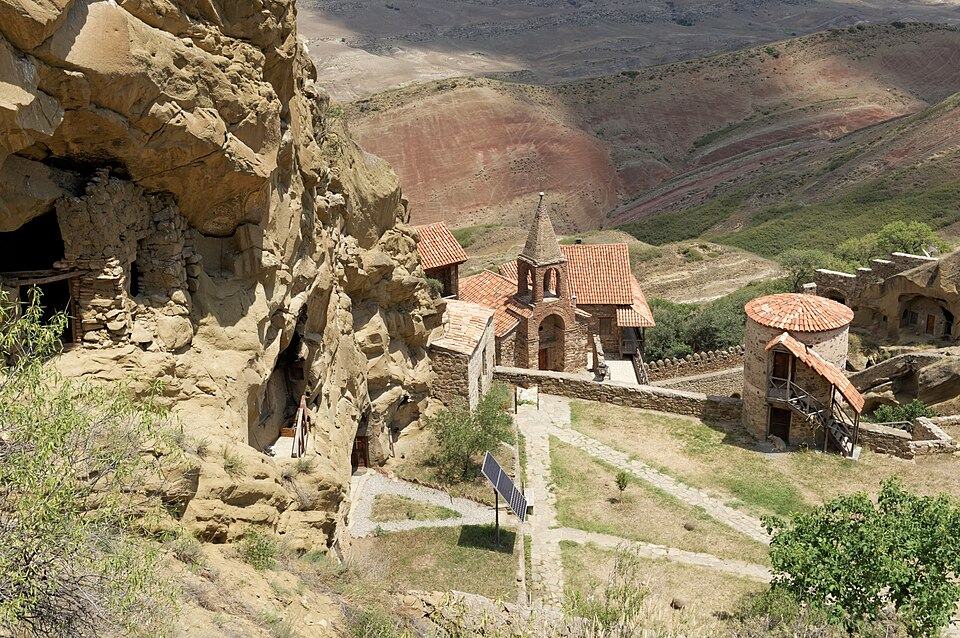
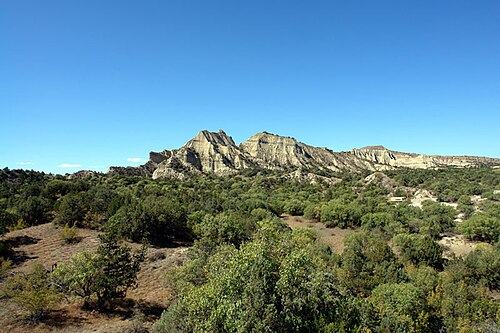
South of the Iori, Kakheti changes completely. The green valley gives way to rolling steppe and bare clay hills banded in pink, ochre and grey, and the border with Azerbaijan runs along the ridges. It is a different trip from the wine country and usually a separate day.
David Gareja, about 70 km and 2 hours from Tbilisi, is a complex of monasteries carved into soft sandstone from the 6th century onward by St David and his followers. The Lavra, the main monastery, is still home to monks and has no entrance fee. Above it, Udabno's cave churches hold medieval wall paintings; access to that ridge varies, so ask on the day and follow the border guards' instructions. There is no shade, so come early, carry plenty of water and wear proper shoes. Spring and autumn are the best seasons, and snakes are about from April to June. We run a separate private David Gareja day trip from Tbilisi.
Vashlovani National Park, in the far south-east, is wilder still: badlands, pistachio woodland, the mud volcanoes of Takhti-Tepa and a jungle-like floodplain forest along the Alazani. Register with your passport at the visitor centre in Dedoplistskaro, about 130 km from Tbilisi. Park entry and each of the main sites cost about 5 GEL (about $2) per person in 2026, and the dirt tracks need a 4x4 with a local driver. Eagle Gorge, 4 km from town, makes a short taste if you have only a few hours; the mud volcanoes are about an hour's drive further.
Lagodekhi and Tusheti: Kakheti's mountains
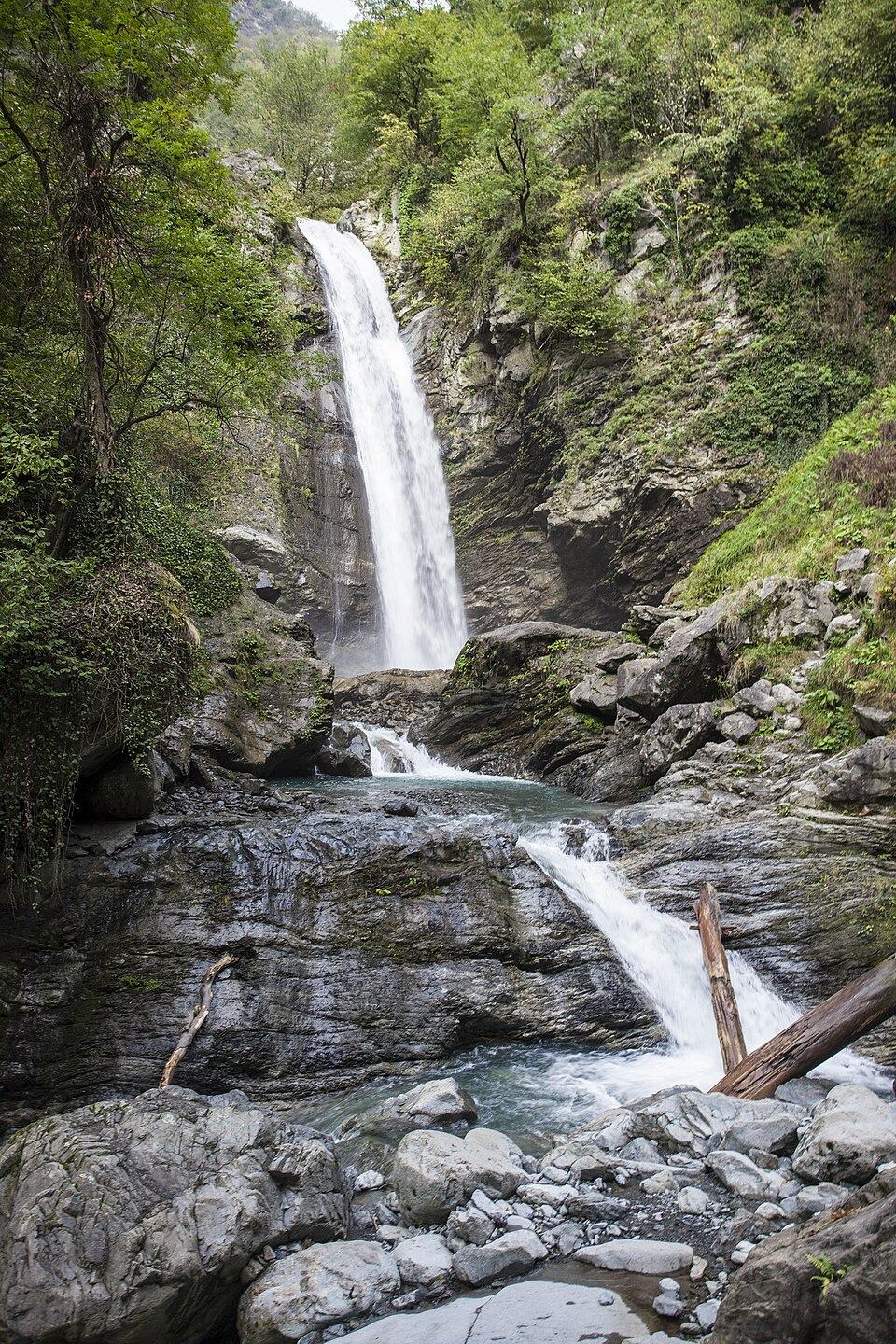
At the eastern end of the valley, Lagodekhi was protected in 1912, earlier than anywhere else in the Caucasus. The reserve spans an altitude range of nearly 3,000 m, from the valley edge to the main ridge, and most of it is dense forest of beech, hornbeam and chestnut. Day trails start a few kilometres from Lagodekhi town, roughly 160 km from Tbilisi. There is no entry fee, but you must register at the visitor centre with ID before you set off.
| Trail | Distance | Climb | Time | Season |
|---|---|---|---|---|
| Ninoskhevi (Gurgeniani) waterfall | 8.5 km return | about 360 m | 4 to 6 h | April to November |
| Black Grouse waterfall | about 9.5 km return | moderate | 4 to 6 h | spring to autumn |
| Machi fortress | about 10.5 km return | moderate | about 5 h | spring to autumn |
| Black Rock Lake loop | about 40 km | about 2,850 m | 3 days | June to October, best July to mid-September |
The Ninoskhevi walk is the most popular: a forest path up a gorge to a 40 m waterfall, crossing the stream on stones and logs several times. After heavy rain the crossings become dangerous and rangers may close it. It fits neatly with an afternoon in Kvareli or Sighnaghi.
The big one is Black Rock Lake, a cold glacial tarn at roughly 2,800 m right on the border with Dagestan. The loop climbs from about 550 m through every forest zone to alpine meadow, with nights at the park's mountain shelters; a bunk there was roughly 30 GEL (near $11) a night in 2026, and pitching a tent roughly 5 GEL. Carry your passport, because border police patrol the ridge, and start day one with plenty of water. Our five-day trip pairs the trek with two easy days among Sighnaghi's walls and Telavi's cellars, which is a fine way to rest tired legs. If you want a warm-up walk first, the Zedazeni to Mamkoda ridge in Tbilisi National Park, about 15 km through forest from a 6th-century monastery, is a good test of your legs on the way.
Tusheti over the Abano Pass
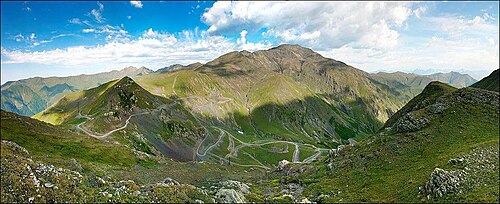
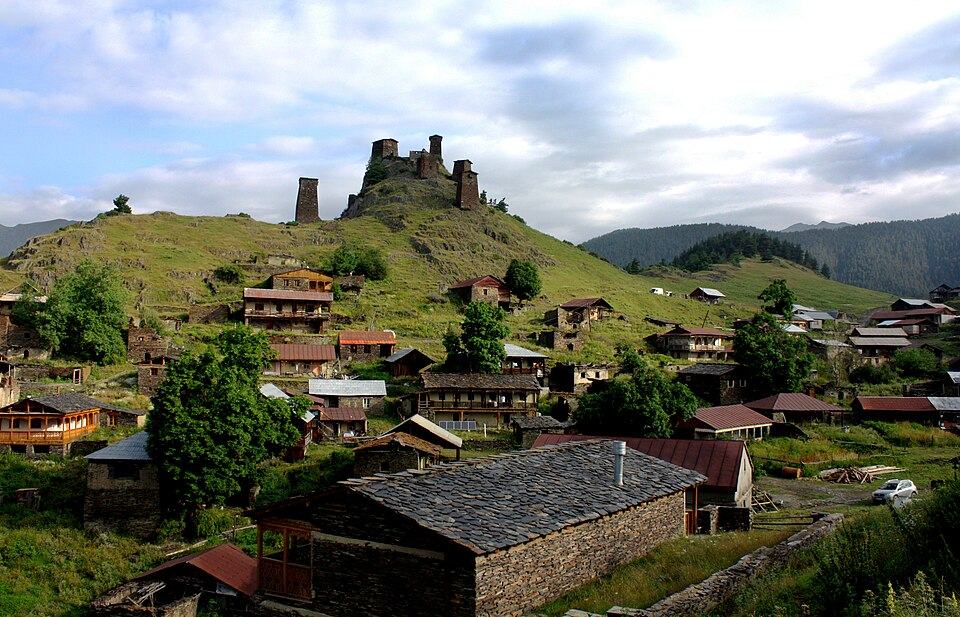
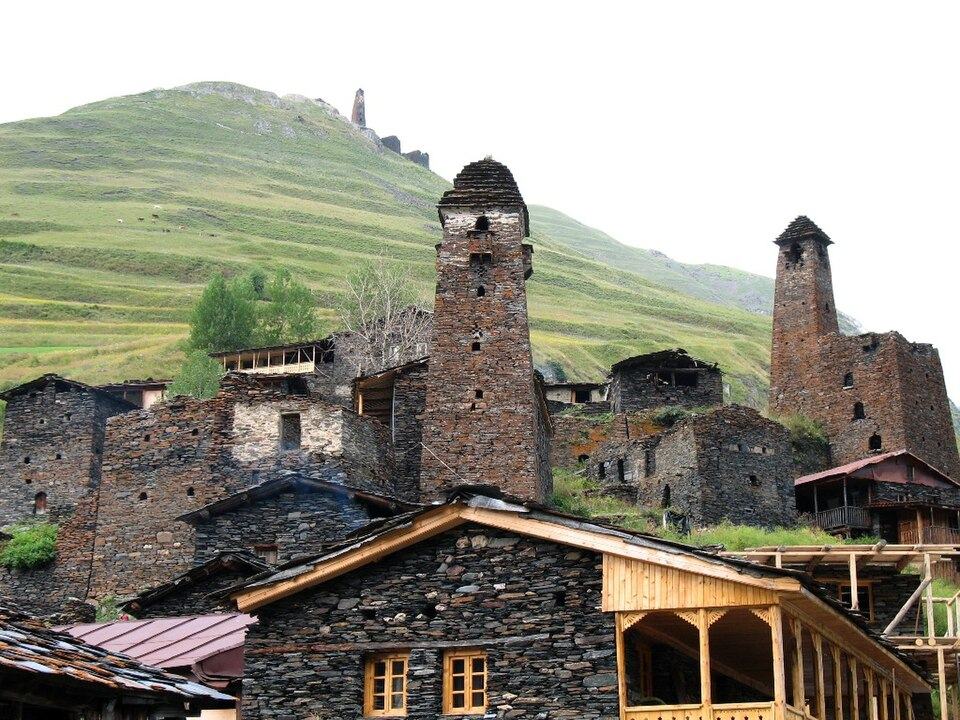
Tusheti belongs to Kakheti too, though it feels like another country. The only road leaves the valley at Pshaveli near Kvemo Alvani and runs about 70 km of unpaved switchbacks to Omalo. Its highest point, the Abano Pass, sits near 2,850 m, and a 4x4 needs 4 to 6 hours for the crossing. The track is normally passable from about June until early October, and in some years into late autumn, so confirm before planning. Give Tusheti at least three nights; it is too far for a day.
Where to stay in Kakheti, and what to eat
Choose your base by what you want to see, not by the map. Distances in the valley are short, but crossing from Sighnaghi to Kvareli and back still takes most of an hour each way, so two bases often beat one.
| Base | Stay here for | Good to know |
|---|---|---|
| Sighnaghi | Views, Bodbe, evening atmosphere, southern wine villages | Most choice of rooms; busy at midday and on harvest weekends |
| Telavi | Alaverdi, Ikalto, Shuamta, Tsinandali, the Tusheti road | Most central; many guesthouses make their own wine |
| Kvareli | Gremi, Nekresi, the wine tunnel, the lake | Quiet, green, close to the mountains |
| Wine villages | A night in a family marani with dinner | Ask for a home in Napareuli, Shilda, Gurjaani or around Sighnaghi |
| Lagodekhi | Early starts on the waterfall and Black Rock Lake trails | Simple guesthouses; buy trek food in town |
Kakhetian food is built around the vine. Mtsvadi, pork or lamb skewers, is grilled over dried vine cuttings, which give it a sweet smoke. Shoti or tonis puri, the long bread slapped against the wall of a round clay oven, comes out hot in every village. Churchkhela, walnuts dipped in thickened grape must, hangs in strings in autumn, and badrijani, fried aubergine rolled around walnut paste, is on most tables. Many guesthouses cook dinner on request; it is usually the best meal you will eat in the region, so book it when you book the room.
Kakheti itinerary: plans for 1, 2, 3 and 4 days
These plans start and end in Tbilisi and assume a car with a driver. Each day keeps the driving under about three hours, with no more than two or three tastings.
- 1 day: Sighnaghi loop
Leave Tbilisi by 09:00 on the highway, stop at Ninotsminda and a bread oven, visit Bodbe, walk Sighnaghi's wall, then lunch and a tasting in a family cellar. Return over the Gombori Pass via Tsinandali if the road is open. About 10 hours. - 2 days: Sighnaghi and Telavi
Day 1 as above, but sleep in Sighnaghi and catch the sunset. Day 2: cross to Telavi for the bazaar and Batonis Tsikhe, then Alaverdi, Ikalto and Old Shuamta, and drive back over the Gombori Pass. - 3 days: add the north bank
Day 1 Sighnaghi and Bodbe, night in Sighnaghi. Day 2 Tsinandali, Alaverdi, a cellar lunch, night in Telavi or a village marani. Day 3 Gremi, Nekresi and the Kvareli wine tunnel, home via Gurjaani's wineries. - 4 days: wine plus the wild side
Add either David Gareja on the way in (a long first day) or a morning on the Ninoskhevi waterfall trail at Lagodekhi, sleeping in Kvareli or Sighnaghi. In harvest season, swap a sight for half a day picking grapes with your hosts.
With more time, Kakheti joins easily with Tusheti in summer or with Kazbegi and Mtskheta for a classic first week in Georgia. Our day trips from Tbilisi guide compares Kakheti with the other one-day options if you only have one day to give the region.
Kakheti FAQ
Is Kakheti worth visiting?
Yes. It is Georgia's main wine region and one of its richest in history, with Sighnaghi, Alaverdi, Gremi and David Gareja all within about two hours of Tbilisi. Even if you do not drink, the monasteries, the food and the Lagodekhi forests make the trip worthwhile.
How many days do you need in Kakheti?
One day covers Sighnaghi, Bodbe and a cellar. Two or three nights let you add Telavi, Alaverdi and the north bank around Kvareli without long drives after tastings. Add three or four days for Tusheti in summer.
Is Sighnaghi or Telavi a better base?
Sighnaghi is prettier and better for Bodbe and the southern villages. Telavi is more central for Alaverdi, Ikalto, Shuamta and Tsinandali and is the start of the Tusheti road. If you have three nights, split them between both.
How do I get from Tbilisi to Kakheti without a car?
Marshrutkas leave Tbilisi for Sighnaghi, Telavi, Kvareli and Lagodekhi several times a day, mostly from the Navtlughi stop by Samgori metro in 2026, for about 15 to 20 GEL. They only link the towns, so you will need taxis or a driver for monasteries and cellars.
Can you do a Kakheti wine tour in one day from Tbilisi?
Yes. A typical private day covers Bodbe, Sighnaghi and lunch with a qvevri tasting, plus Tsinandali on the way back, in about 10 hours with roughly 5 hours of driving. Staying a night makes the day less rushed.
When is the grape harvest in Kakheti?
Picking normally starts in mid-September and carries on into October, though the start shifts with each summer's weather; in 2026 it began around 10 September. Book harvest weekends early and ask your host if guests can help pick.
Is the Gombori Pass road open?
Roadworks shut it for long spells in 2025, and winter snow sometimes limits traffic. Ask your driver or hotel the day before; if it is not open, the longer highway via Sagarejo and Gurjaani costs you about an extra hour.
Can I visit David Gareja and the Kakheti wineries on the same day?
It is possible but long, because David Gareja lies south, away from the Alazani Valley. Most people give it its own day from Tbilisi, or visit it on the way to Sighnaghi with only one tasting afterwards.